What’s the best way to alleviate poverty in a developing nation?
To answer that question, it is probably best to first ask the question: What is poverty?
It’s not simply the lack of wealth or the lack of goods. It is partly that, but it is better described as follows:
Poverty is not simply the absence of income but the absence of opportunity—the lack of access to education, employment, capital, and economic participation that allows individuals to build secure and dignified livelihoods.
It is therefore an existence where the person or the family have little or no agency to change. It is not that there is no will towards change, advancement, or improvement. It is simply that, for whatever reason, the opportunities do not exist or, when they do exist, the persons have no access.
With respect to developing nations, it is easy to think that the problem of poverty is too large to be dealt with; that the issue is largely a structural problem. Poorly performing government, lack of critical infrastructure, corruption etc. easily comes to mind.
This may or may not be the case. However, that does not mean that solutions can only be found in efforts of similar magnitude. While it may be said that the problem of poverty in the developing world is a ‘top-down’ situation, the remedies are often of the reverse order.
From my own limited experience, I know that direct support, targeting an identified need, with only a small financial contribution, can make a huge and lasting difference.
Education and Employment – the two keys that can turn the lock; that can create opportunity that can last through generations.
Both create opportunity.
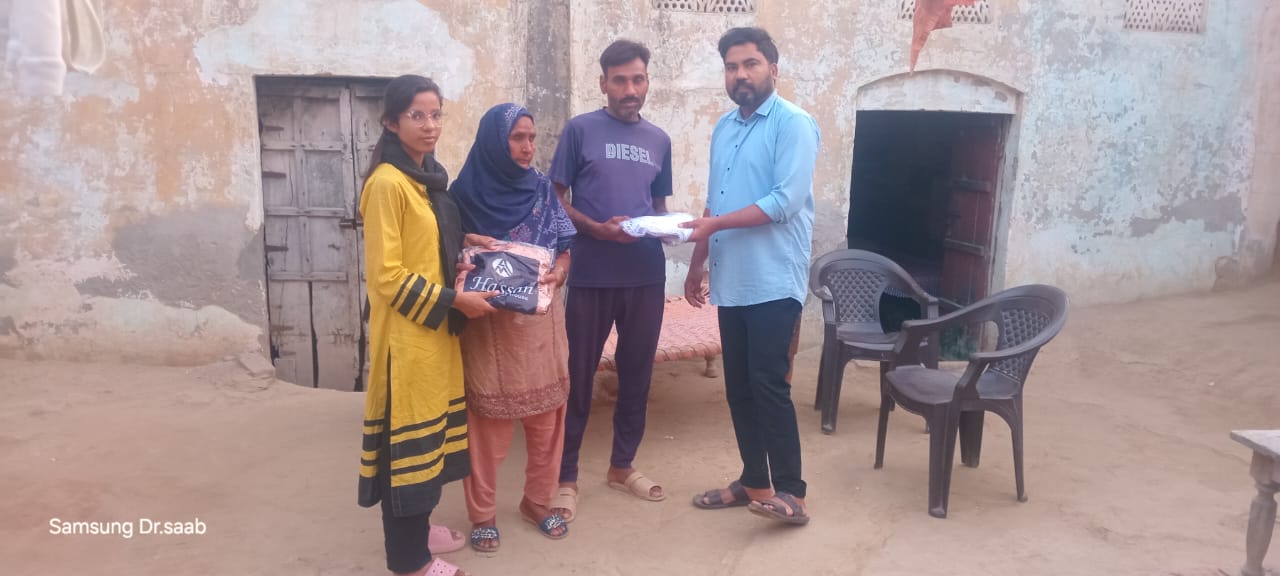
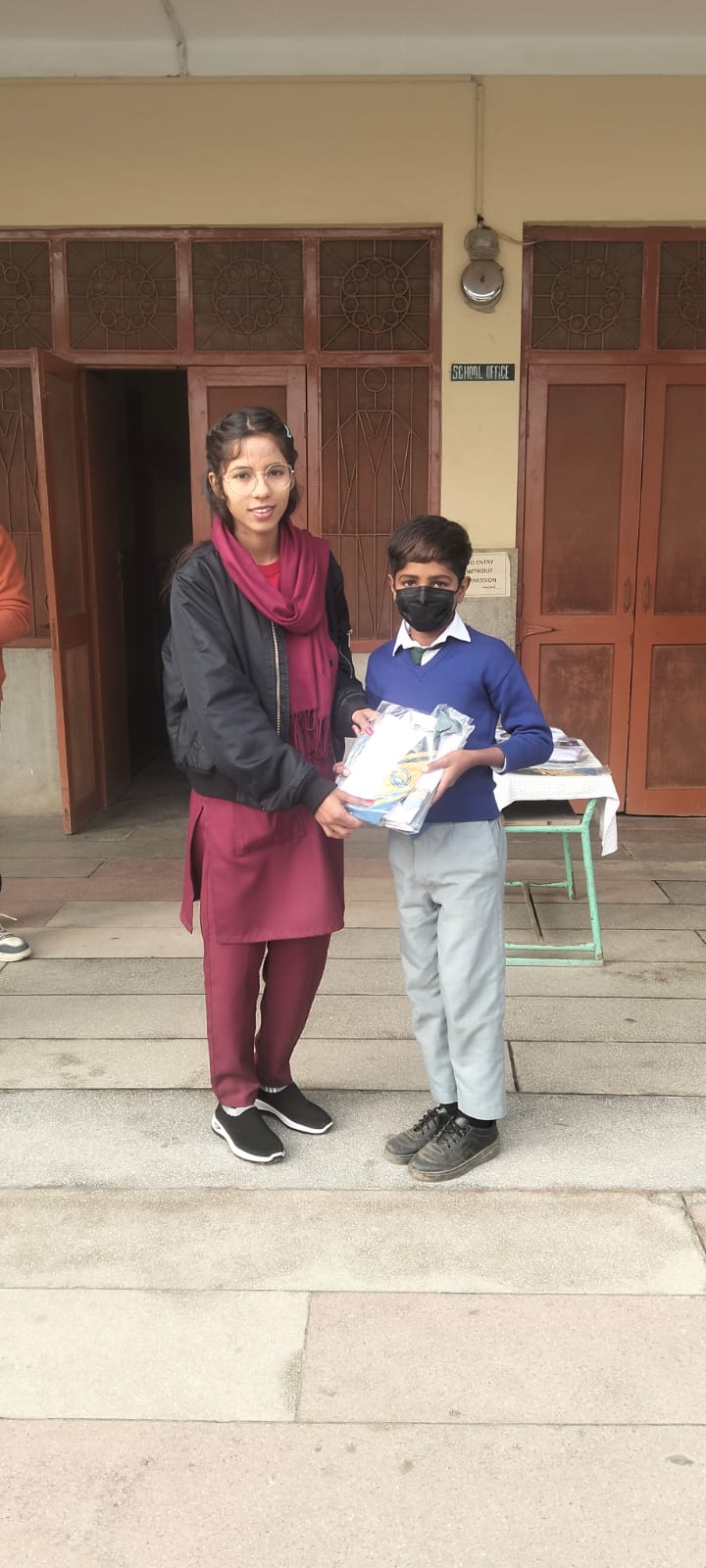
We have an opportunity to make a difference through the work of the MacKillop Foundation. The Foundation’s work is small, focused, direct and is based on local knowledge and personal contact with those delivering on the projects.
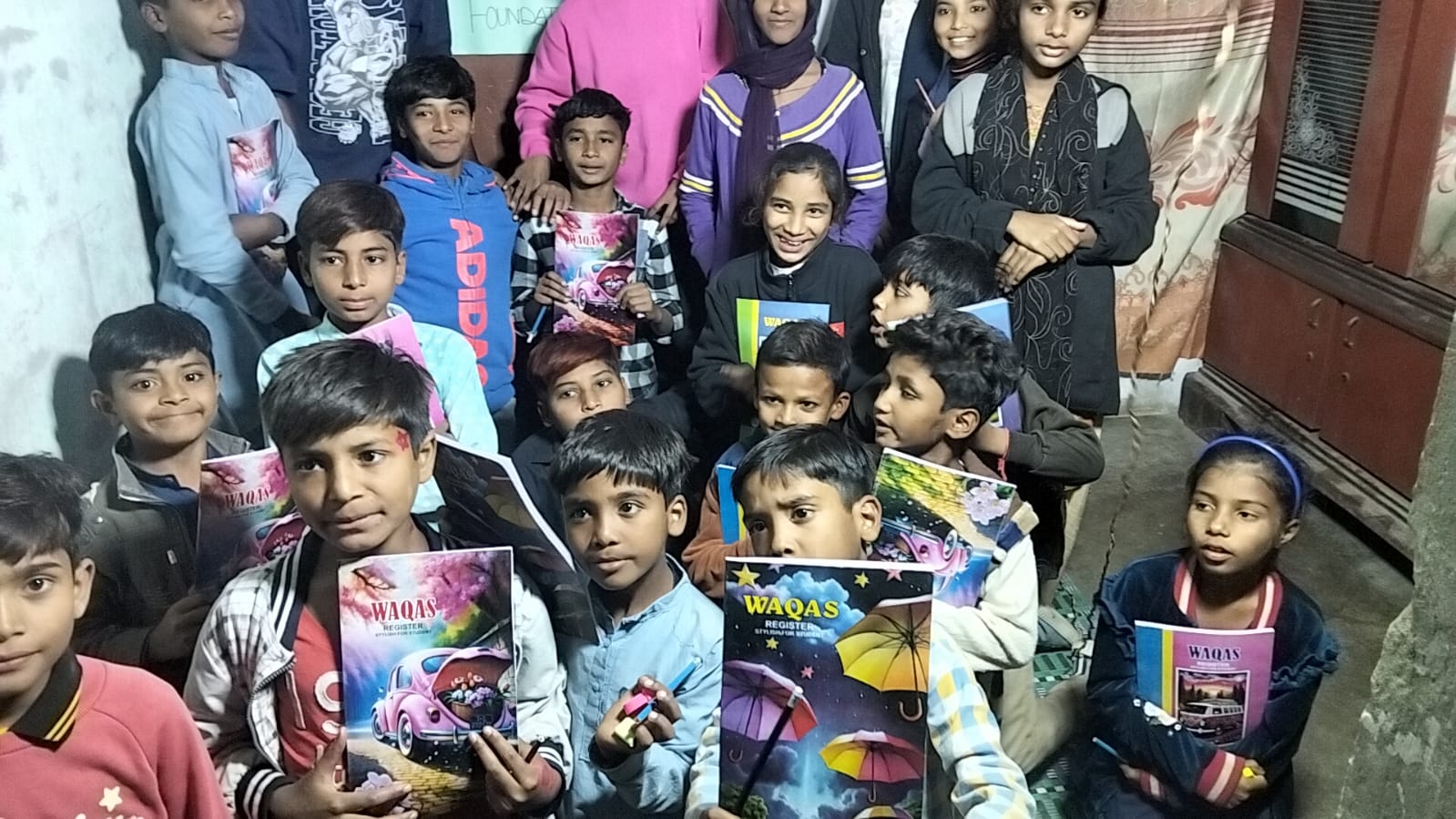
Let’s run a little experiment. What do you imagine it would cost to run a weekly program of after-school education in the English language for, say, 20 primary school children of different ages, in Pakistan and facilitated by two trained teachers for one month?
$100.00! That’s right; just over $3.00 per day!
$1200 per year! If you are tempted to think that fluency in English is common, I assure you it is not. Perhaps more widely used in the big cities, but in the villages of the Punjab, it is certainly not common, and a lack of fluency is clearly one of those barriers I mentioned earlier. A barrier to further education and a barrier to economic growth.
Support for Zeeshan and his wife to continue to run the English Academy is an opportunity to make a difference. It’s not a one-off kind of help – though that is worthwhile in itself – it is the kind of support that will magnify over time and have a lasting impact.
Please consider supporting the Academy!
Bonus gift!


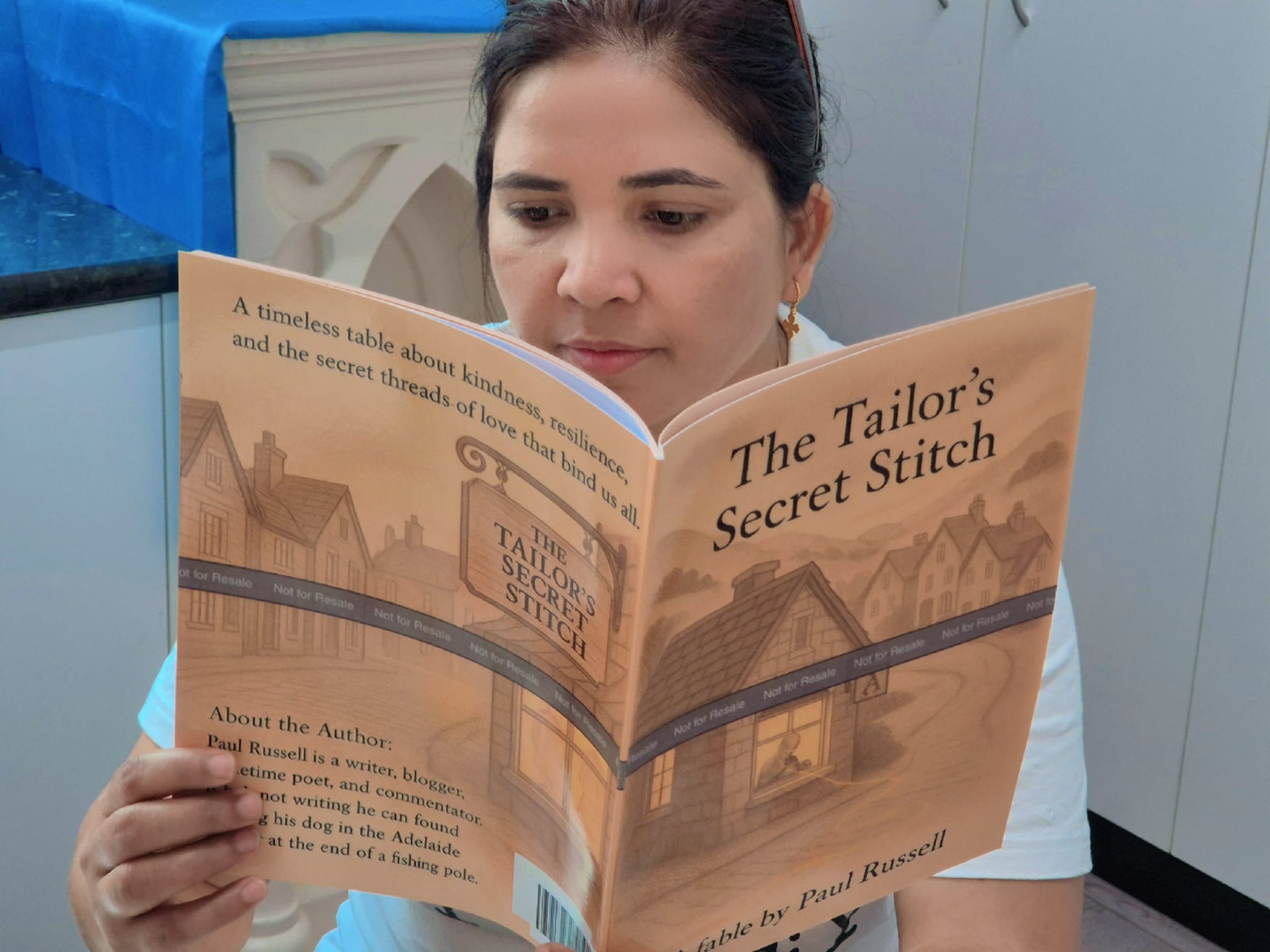
Recently, I wrote a Children’s Fable based upon a story told to me about the principal of one of the MacKillop Foundation’s partner organisations in Pakistan: Michael, from AMDG Tailoring.
(Michael and Zeeshan are pictured here with the book, along with Academy students and our Foundation representative, Roshani)
The Tailor’s Secret Stitch is a delightful tale about the difference that love and devotion make in our lives, brought to life in the story through the life of a tailor named Mikal.
For a donation of $50.00 to the Academy, I’ll send you a FREE COPY of my book to delight readers young and old!
Why not accept this offer from me, knowing you will make a real difference in the lives of these children?
Go to our Academy page for details on how to donate and how to claim your free book.
Thank you so much for your support!
Paul
(Note: Part 2 is coming soon, detailing the Foundation’s next exciting initiative)